Understanding how much does roof repair cost helps you budget for necessary maintenance and avoid surprises when problems arise. Roof repair prices vary widely based on several factors, and knowing what influences costs helps you make informed decisions about protecting your home.
Most homeowners face roof repairs at some point. Whether it’s fixing a small leak, replacing damaged shingles, or addressing structural issues, understanding the cost factors helps you plan appropriately and choose the right solutions for your situation.
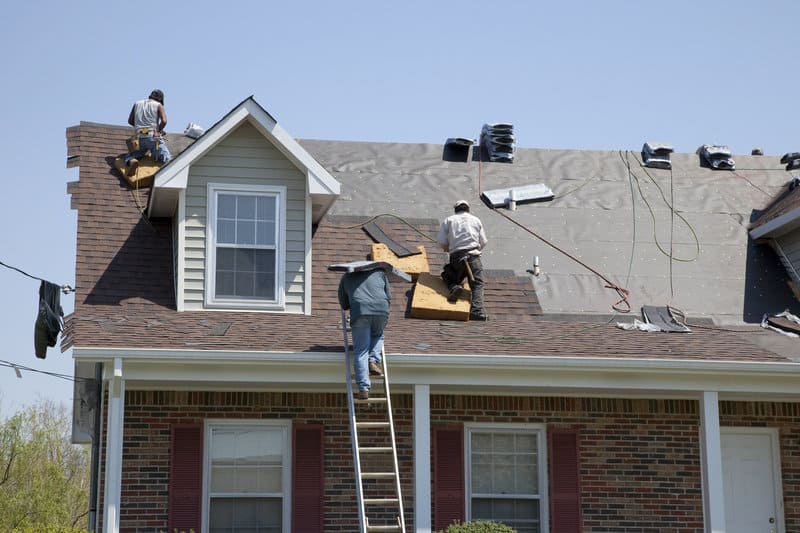
Key Factors Affecting Roof Repair Costs
Multiple variables determine how much does roof repair cost for your specific situation. Understanding these factors helps you evaluate estimates and budgets accurately.
Type and Extent of Damage
The nature and severity of damage significantly impact repair costs. Small, localized problems like a few missing shingles cost less than widespread damage affecting large roof sections. Minor leak repairs differ from major structural work requiring decking replacement.
Simple fixes include replacing damaged shingles, sealing small leaks, or repairing minor flashing issues. These straightforward repairs typically involve less labor and materials. Complex repairs involve structural damage, extensive water damage requiring multiple components, or problems affecting large roof areas. The more extensive the damage, the more time and materials are needed to restore your roof properly.
Water damage often spreads beyond the initially visible problem area. What appears as a small leak might involve hidden damage to insulation, decking, and structural members. This hidden damage becomes apparent once repair work begins.
Roofing Material Type
Your roof’s material affects both the cost of materials and labor required for repairs. Different materials come with different price points and require varying levels of expertise.
Asphalt Shingles: The most common residential roofing material, asphalt shingles are relatively economical to repair. Materials are readily available at most roofing supply centers, and many contractors have extensive experience working with them. This familiarity and availability help keep costs more manageable.
Metal Roofing: Metal roof repairs require specialized skills and materials. Metal panels, standing seam systems, and metal shingles each demand specific techniques. While metal roofing is exceptionally durable, repairs can cost more due to the expertise needed and material costs. Finding matching materials for older metal roofs can also be challenging.
Tile and Slate: Premium roofing materials like tile or slate involve higher material costs and require specialized installation techniques. These materials are fragile and require careful handling. Not all roofing contractors work with tile or slate, which can limit your options and affect pricing. However, these materials often last longer than asphalt, making repairs worthwhile investments.
Roof Accessibility and Pitch
How easily workers can access your roof influences labor costs. Steep roofs require additional safety equipment and take longer to work on. Multi-story homes add complexity. Roofs with multiple angles, dormers, or complex layouts require more time and care.
Labor Costs in Your Area
Geographic location affects how much does roof repair cost through regional labor rate variations. Urban areas typically have higher labor costs than rural regions. Local demand for roofing services impacts pricing, and areas prone to severe weather may see higher rates during peak seasons.
Permit and Inspection Requirements
Some roof repairs require building permits, adding to overall costs. Permit fees vary by location and repair scope. Inspections ensure work meets local building codes, and while they add expense, they protect you by ensuring quality work.
Common Roof Repair Types
Different repair types come with different considerations affecting how much does roof repair cost for your specific project.
Shingle Replacement
Replacing damaged or missing shingles is one of the most common repairs. Costs depend on the number of shingles needed, whether damage is localized or scattered, and accessibility. Matching existing shingles sometimes requires finding discontinued products, which can affect material costs and availability.
Leak Repairs
Finding and fixing leaks involves more than just patching visible damage. Water can travel along rafters before appearing inside, making the entry point difficult to locate. Leak repairs may include fixing flashing, sealing penetrations, repairing shingles or underlayment, and addressing water damage to decking.
Flashing Repairs
Flashing around chimneys, vents, and valleys prevents water intrusion at vulnerable points. Repairs involve removing old flashing, addressing damage underneath, and installing new flashing with proper sealing. Quality flashing work ensures these critical areas remain watertight.
Structural Repairs
Structural issues represent the most significant repair category. These repairs involve replacing water-damaged decking, repairing rafters, addressing sagging areas, and fixing ventilation problems. Structural repairs cost more because they require removing roofing materials to access underlying problems and often involve carpentry work beyond basic roofing.
Repairs vs. Replacement: Making the Right Choice
Sometimes determining how much does roof repair cost leads to considering whether replacement makes more sense financially.
When Repairs Make Sense
Repairs are typically right when damage is localized, your roof is relatively young with significant remaining lifespan, the underlying structure is sound, and repair costs represent a small fraction of replacement costs. Targeted repairs when your roof is otherwise good extend its useful life.
When Replacement Is Better
Full replacement may be more cost-effective when damage is widespread, your roof is approaching its expected lifespan, you’ve had multiple recent repairs, or structural issues affect large areas. Multiple repairs over several years might cost more than replacement. A new roof provides decades of protection, improved energy efficiency, and enhanced property value.
Getting Accurate Repair Estimates
Understanding how much does roof repair cost requires a professional assessment. Reputable companies examine visible damage, check for additional issues, assess underlying structure, and document findings with photos.
Request detailed written estimates that itemize materials with quantities, labor costs, permits, and disposal fees, and a projected timeline. Compare estimates carefully beyond just the bottom line to understand what’s included.
Ask about warranty coverage for materials and workmanship. Know what’s covered, how long coverage lasts, and what might void warranties.
Hidden Costs to Consider
Several factors can add to baseline estimates. Additional damage may be discovered once work begins – water damage, rot, or structural issues worse than initially visible. Matching materials for older roofs can be challenging with discontinued products. Emergency repairs for active leaks may carry premium pricing due to urgency.
Tips for Managing Repair Costs
Address problems early when they’re less expensive to fix. Get multiple estimates to understand fair market pricing. Don’t sacrifice quality – poor repairs fail prematurely. Consider timing repairs during slower seasons if not urgent. Understand your insurance coverage for storm damage.
Planning Your Repair Budget
Create a realistic budget by getting a professional inspection, obtaining detailed estimates from multiple contractors, adding contingency for hidden issues, considering financing if needed, and factoring in timeline requirements.
Working with Professional Roofers
Quality repairs require experienced professionals. Look for contractors with solid local reputations, proper insurance and licensing, detailed written contracts, clear communication about timeline and process, and references from recent projects.
At Elevate Roofing and Exteriors, we provide honest assessments and quality repairs throughout South Georgia, including Valdosta, Tifton, Albany, and surrounding areas.
Whether you need minor repairs or extensive work, contact us for a thorough assessment and transparent estimate.
Frequently Asked Questions
What factors most affect roof repair costs?
The biggest factors affecting how much does roof repair cost include the extent and type of damage, your roofing material, roof accessibility and pitch, and local labor rates. Minor localized repairs cost significantly less than widespread damage requiring extensive work. Steep roofs or difficult access increase labor costs due to additional safety equipment and time needed. Premium materials like tile or metal cost more than asphalt shingles for both materials and specialized labor. Geographic location also plays a role through regional labor rate variations – urban areas typically have higher costs than rural regions. The age of your roof matters too, as older roofs may require additional work to ensure new repairs integrate properly with aging materials.
How can I tell if I need repairs or replacement?
Consider repair if damage is localized, your roof is relatively young, and costs are reasonable compared to replacement. Repairs make sense when the problem affects specific areas rather than the entire roof system. Consider replacement if damage is widespread across most of the roof, your roof is approaching or past its expected lifespan, you’ve had multiple recent repairs indicating systemic failure, or structural issues affect large areas requiring extensive work. A professional inspection helps determine which option provides better long-term value for your situation. Sometimes the cumulative cost of ongoing repairs exceeds replacement costs, making a new roof the smarter financial decision. Consider factors like energy efficiency improvements and warranty coverage that come with new roofs.
Should I get multiple estimates for roof repairs?
Yes, getting multiple estimates helps you understand fair market pricing and compare what different contractors offer. Aim for at least three detailed estimates from reputable companies. Look beyond just the bottom line price to compare materials specified and their quality levels, scope of work included, and what’s specifically excluded; warranty coverage provided for both materials and workmanship; contractor experience, reputation, and references; and payment terms and project timeline. Three estimates typically provide a good comparison without becoming overwhelming. Meeting with multiple contractors also helps you assess communication style and professionalism. Pay attention to how thoroughly each contractor explains the problem and proposed solution.
Does homeowner’s insurance cover roof repairs?
Homeowner’s insurance typically covers roof repairs resulting from sudden, covered events like storms, hail, falling trees, or wind damage. Normal wear and tear, gradual deterioration, or deferred maintenance usually aren’t covered under standard policies. Review your specific policy to understand coverage limits, deductibles, and exclusions. Document damage thoroughly with photos and videos immediately after discovering it. Contact your insurance company promptly after discovering storm damage to start the claims process. Many roofing contractors work directly with insurance adjusters to streamline the claims process and ensure all covered damage is documented. Keep all receipts and documentation from repairs for your records and claim submission. Understanding your coverage before damage occurs helps you make informed decisions when problems arise.