Your roof is probably one of those things you don’t think about much until something goes wrong. And by the time you notice a problem, it’s usually already causing issues inside your home. Water stains on the ceiling, a musty smell in the attic, or shingles scattered across your yard after a storm are all signs that your roof needs attention. The thing is, most common roof repair issues start small. A tiny leak here, a loose shingle there. But when you ignore them, they turn into expensive headaches.
We get it. Roof repairs aren’t exciting. They’re not something you want to spend money on when everything seems fine from the ground. But here’s the reality – catching problems early can save you thousands of dollars down the road. What starts as a simple fix can quickly turn into structural damage, mold growth, or even a full roof replacement if you wait too long. So if you’ve been putting off that roof inspection or ignoring warning signs, this guide is for you.
Let’s walk through the most common roof repair issues homeowners face, what causes them, and why taking care of them sooner rather than later is always the smart move. When you work with a reliable team like Elevate Roofing and Exteriors, you can catch these problems before they spiral out of control.

Issue 1: Roof Leaks and Water Damage
Roof leaks are probably the most obvious sign that something’s wrong, but they’re also one of the most common roof repair issues that homeowners deal with. The tricky part? By the time you see water dripping from your ceiling or notice a stain, the leak has likely been there for a while.
Water has a way of finding the smallest gaps and working its way into your home. It might start at a damaged shingle, travel along the underlayment, and eventually seep through your ceiling in a completely different spot. This makes tracking down the source of a leak harder than you’d think.
Here’s what causes roof leaks:
- Damaged or missing shingles that expose the underlayment
- Cracked or deteriorating flashing around chimneys and vents
- Clogged gutters that cause water to back up under the roof edge
- Worn-out sealant around roof penetrations
- Ice dams in winter that force water under shingles
The longer a leak goes unaddressed, the worse it gets. Water damage doesn’t just ruin your ceiling. It can rot the wood decking under your roof, damage insulation, promote mold growth, and even weaken the structure of your home. What might have been a quick repair turns into a major project if you wait too long.
If you notice water stains, dampness in your attic, or any signs of moisture, don’t wait. Getting a professional inspection from a team like Elevate Roofing and Exteriors can help you find and fix the problem before it causes serious damage.
Issue 2: Missing or Damaged Shingles
Walk outside after a storm, and you might spot shingles lying in your yard or hanging off the edge of your roof. Missing or damaged shingles are one of the most visible common roof repair issues, and they’re usually caused by high winds, hail, or just age.
Shingles are your roof’s first line of defense against the weather. When they’re missing or cracked, the layers underneath are exposed to rain, sun, and debris. It doesn’t take long for that exposure to cause problems. Water can seep under the remaining shingles, the underlayment can deteriorate, and before you know it, you’re dealing with leaks and rot.
What causes shingle damage:
- High winds – Wind can lift and tear shingles, especially if they’re old or weren’t installed properly
- Hail damage – Hailstones can crack or dent shingles, weakening their ability to protect your roof
- Age and wear – Shingles naturally break down over time from sun exposure and temperature changes
- Poor installation – If shingles weren’t nailed down correctly, they’re more likely to come loose
Even if you only see a few missing shingles, it’s worth getting them replaced quickly. The longer you wait, the more damage can occur to the layers underneath. Plus, replacing a few shingles is way cheaper than dealing with water damage or having to replace sections of your roof.
Issue 3: Sagging Roof Areas
A sagging roof is a big red flag. If you notice any dips, curves, or sagging areas on your roofline, you need to take it seriously. This is one of those common roof repair issues that signals a deeper structural problem, and it won’t fix itself.
Sagging usually means there’s an issue with the roof decking or the support structure underneath. This can happen for a few reasons. Long-term water damage can rot the wooden decking and cause it to weaken. Poor installation or inadequate support can also lead to sagging over time. In some cases, the weight of heavy snow or ice can stress the structure and cause it to buckle.
Signs your roof might be sagging:
- Visible dips or curves along the roofline
- Uneven or wavy appearance when you look at the roof from the ground
- Cracks in the interior ceiling or walls
- Doors or windows that suddenly don’t close properly
If you’re seeing any of these signs, don’t wait. A sagging roof can collapse if the problem gets bad enough, and that’s a safety hazard. It’s also a sign that there’s likely water damage, rot, or structural issues that need immediate attention. Getting a professional inspection can help determine what’s causing the sag and what needs to be done to fix it.
Issue 4: Damaged or Missing Flashing
Flashing is the metal material installed around chimneys, vents, skylights, and other areas where your roof meets a vertical surface. It’s designed to direct water away from these vulnerable spots and prevent leaks. When flashing gets damaged or goes missing, it’s one of the most common roof repair issues that leads to leaks.
Flashing can crack, rust, or come loose over time. Weather, temperature changes, and general wear and tear all take a toll. If the sealant around the flashing deteriorates, water can seep underneath and cause damage to the roof decking and the interior of your home.
Common flashing problems include:
- Rust or corrosion that weakens the metal
- Cracks or gaps in the flashing material
- Loose or missing sections that leave areas exposed
- Deteriorated sealant that no longer keeps water out
Flashing problems are easy to overlook because they’re often in hard-to-see areas. But if you notice leaks around your chimney, water stains near vents, or dampness in your attic, damaged flashing is a likely culprit. Fixing flashing issues early can prevent bigger problems like rot, mold, and structural damage.
Issue 5: Clogged or Damaged Gutters
You might not think of gutters as part of your roof system, but they play a huge role in protecting it. When gutters get clogged with leaves, debris, or dirt, water can’t drain properly. Instead, it backs up and sits along the edge of your roof, which can lead to rot, leaks, and other common roof repair issues.
Clogged gutters can also cause water to overflow and pool around your home’s foundation, which creates a whole different set of problems. In winter, standing water in gutters can freeze and form ice dams, which force water under your shingles and cause leaks.
What happens when gutters aren’t maintained:
- Water backs up under the roof edge and damages the fascia
- Overflow causes water to pool near the foundation
- Ice dams form in winter and push water under shingles
- Gutters pull away from the house due to excess weight
Regular gutter cleaning and maintenance can prevent these issues. If your gutters are damaged, sagging, or pulling away from your home, it’s time to get them repaired or replaced. A professional gutter service team can inspect your system, clean out debris, and make any necessary repairs to keep water flowing away from your roof and foundation.
Issue 6: Granule Loss on Shingles
Have you noticed gritty, sand-like material collecting in your gutters or around your downspouts? Those are granules from your asphalt shingles, and losing them is one of the more subtle common roof repair issues that homeowners overlook. Granules protect shingles from UV rays and weather damage. When they start falling off, your shingles become vulnerable.
Granule loss is a normal part of aging for asphalt shingles, but excessive loss means your roof is wearing out faster than it should. This can be caused by severe weather, poor-quality shingles, or improper installation.
Signs of granule loss:
- Gritty material in gutters or at the base of downspouts
- Shingles that look darker or have bare spots
- Uneven color or patchy appearance on the roof
- Increased vulnerability to leaks and weather damage
If you’re seeing significant granule loss, it might be time to start thinking about repairs or even replacement. Shingles without granules don’t protect your home as well, and they’re more likely to crack, curl, or allow water to seep through.
Issue 7: Cracked or Curling Shingles
Shingles that are cracked, curled, or curling at the edges are another one of the most common roof repair issues. This usually happens as shingles age and lose their flexibility. Temperature changes, sun exposure, and moisture all contribute to shingle deterioration over time.
Curling shingles are especially problematic because they create gaps where water can get underneath. Cracked shingles are even worse because they allow water to penetrate directly through to the underlayment.
What causes shingles to crack or curl:
- Age and prolonged sun exposure
- Poor attic ventilation that causes heat buildup
- Moisture trapped under the shingles
- Low-quality materials or poor installation
If you spot cracked or curling shingles, it’s a good idea to have them inspected. Sometimes individual shingles can be replaced without much hassle. But if the problem is widespread, it might be a sign that your roof is nearing the end of its lifespan.
Issue 8: Roof Penetration Problems
Anywhere something goes through your roof – like vents, pipes, skylights, or chimneys – is a potential weak spot. These roof penetrations are common sources of leaks and are among the most common roof repair issues that professionals deal with.
Over time, the sealant around these penetrations can crack or deteriorate. Flashing can come loose. And if the installation wasn’t done properly in the first place, leaks can develop pretty quickly.
Common roof penetration issues:
- Cracked or missing sealant around pipes and vents
- Loose or damaged flashing
- Gaps or openings that allow water to enter
- Improper installation that creates vulnerable spots
Inspecting roof penetrations regularly can help you catch problems before they turn into leaks. If you notice water stains near vents or around your chimney, it’s worth having a professional take a closer look.
Issue 9: Ice Dams in Winter
If you live in an area that gets cold winters, ice dams are one of the most frustrating common roof repair issues you might deal with. Ice dams form when heat from your attic melts snow on your roof. The water runs down to the colder edges and refreezes, creating a dam of ice along the roof edge.
As more snow melts, the water has nowhere to go. It backs up behind the ice dam and can seep under your shingles, causing leaks and water damage inside your home.
How to spot and prevent ice dams:
- Icicles hanging from your roof edge
- Ice buildup along the eaves
- Water stains on ceilings or walls during winter
- Proper attic insulation and ventilation to prevent heat buildup
Ice dams can be tough to deal with once they form, and trying to remove them yourself can damage your roof. The best approach is prevention through proper insulation and ventilation. If you’re dealing with recurring ice dams, a professional inspection can help identify the root cause.
Issue 10: Poor Ventilation and Attic Issues
You might not think of ventilation as a roof repair issue, but poor attic ventilation causes a lot of the common roof repair issues homeowners face. When your attic doesn’t have proper airflow, heat and moisture build up. This can cause shingles to age faster, wood to rot, and energy bills to spike.
In summer, a poorly ventilated attic can get extremely hot, which bakes your shingles from underneath and shortens their lifespan. In winter, trapped moisture can lead to mold, mildew, and rot.
Signs of poor attic ventilation:
- Excessive heat in the attic during summer
- Moisture or condensation on attic surfaces
- Mold or mildew growth
- Premature aging of roofing materials
Improving attic ventilation can extend the life of your roof and prevent a lot of common problems. If you’re noticing any of these signs, it’s worth having a professional assess your ventilation system.
Why You Should Never Ignore Roof Repair Issues
Here’s the bottom line – ignoring common roof repair issues doesn’t make them go away. It just makes them worse. A small leak turns into rot. A missing shingle becomes a bigger area of damage. What could have been a simple repair turns into a costly replacement project.
The risks of delaying roof repairs include:
- Structural damage to your roof decking and support beams
- Mold and mildew growth that affects indoor air quality
- Higher energy bills due to poor insulation and ventilation
- Decreased home value and curb appeal
- Potentially dangerous conditions if the roof becomes unstable
Taking care of problems early is always cheaper and less stressful than dealing with major damage later. Regular inspections and quick repairs keep your roof in good shape and protect your home for years to come.
If you’re looking for professional roof repairs in South Georgia, you want a team that can identify problems, explain your options, and get the work done right. From small fixes to major repairs, every issue matters when it comes to protecting your home.
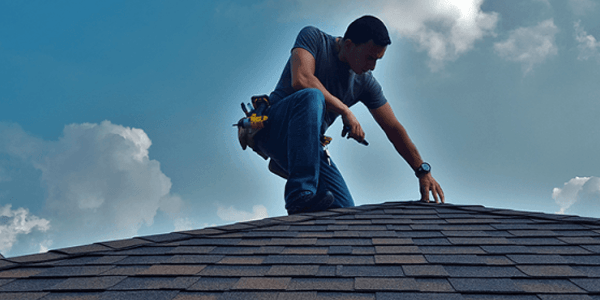
How to Spot Roof Problems Early
The best way to avoid major roof repairs is to catch problems when they’re still small. Here are some tips for spotting issues early:
- Do regular visual inspections – Walk around your property and look at your roof from the ground. Look for missing shingles, sagging areas, or anything that looks off.
- Check your attic – Go up into your attic a few times a year and look for signs of leaks, moisture, or light coming through the roof.
- Clean your gutters – When you’re cleaning gutters, pay attention to what’s coming out. Excessive granules or shingle pieces are warning signs.
- Schedule professional inspections – A professional can spot problems you might miss and catch issues before they become serious.
- Address problems quickly – If you notice something, don’t put it off. Quick action prevents small problems from becoming big ones.
Being proactive about roof maintenance saves you money and stress in the long run. It’s a lot easier to fix a small issue than to deal with extensive water damage or structural problems.
Ready to Address Your Roof Repair Issues?
Now that you know the most common roof repair issues homeowners face, you can be more aware of what to look for. Whether you’re dealing with leaks, missing shingles, damaged flashing, or any other problem, the important thing is to take action before the issue gets worse.
At Elevate Roofing and Exteriors, we handle all types of roof repairs with the same attention to detail we bring to every project. From quick fixes to more involved repairs, our team makes sure your roof stays in great shape and continues protecting your home. We serve homeowners throughout South Georgia, including roof repair in Valdosta, Tifton, Albany, Thomasville, and surrounding areas.
Don’t wait until a small problem becomes a major expense. Request your free estimate today and let us help you keep your roof in top condition.
Frequently Asked Questions
What are the most common signs that my roof needs repairs?
The most common signs include water stains on your ceiling, missing or damaged shingles, sagging areas on the roofline, and granules collecting in your gutters. You might also notice leaks in your attic, musty odors, or higher energy bills. If you see any of these warning signs, it’s a good idea to get a professional inspection. Catching problems early usually means simpler and less expensive repairs. Even if everything looks fine from the ground, having your roof inspected regularly helps identify issues before they become serious problems.
How much damage can a small roof leak really cause?
A small leak can cause a surprising amount of damage if it’s not fixed quickly. Water doesn’t just affect the spot where you see it dripping. It can travel along roof decking, soak insulation, and promote mold growth in hidden areas. Over time, water damage can rot the wooden structure of your roof, weaken support beams, and even damage walls and ceilings throughout your home. What starts as a minor leak can turn into thousands of dollars in repairs if you ignore it. That’s why addressing leaks as soon as you notice them is so important.
Can I just replace a few damaged shingles, or do I need a whole new roof?
In many cases, you can replace individual damaged shingles without needing a full roof replacement. If the damage is localized and the rest of your roof is in good condition, replacing a few shingles is a quick and affordable fix. However, if you’re seeing widespread shingle damage, significant granule loss, or if your roof is more than 20 years old, it might be time to consider replacement. A professional inspection can help you understand the extent of the damage and whether repairs will be enough or if replacement makes more sense.
How often should I have my roof inspected?
Most experts recommend having your roof professionally inspected at least once a year, preferably in the spring or fall. You should also schedule an inspection after major storms, especially if you had high winds or hail. Regular inspections help catch small problems before they turn into expensive repairs. Even if your roof looks fine from the ground, a professional can spot issues like damaged flashing, early signs of leaks, or ventilation problems that you might not notice. Think of it like getting a checkup for your roof.
What happens if I ignore roof problems and don’t get repairs?
Ignoring roof problems almost always makes them worse and more expensive to fix. A small leak can lead to rot, mold, and structural damage. Missing shingles expose your roof to more damage. Damaged flashing can cause leaks that spread throughout your home. Over time, neglected roof issues can compromise the structural integrity of your entire roof, leading to sagging, collapse risk, and the need for complete replacement. What could have been a simple repair job can turn into a major project that costs thousands more. Taking care of problems quickly is always the smarter and cheaper option.